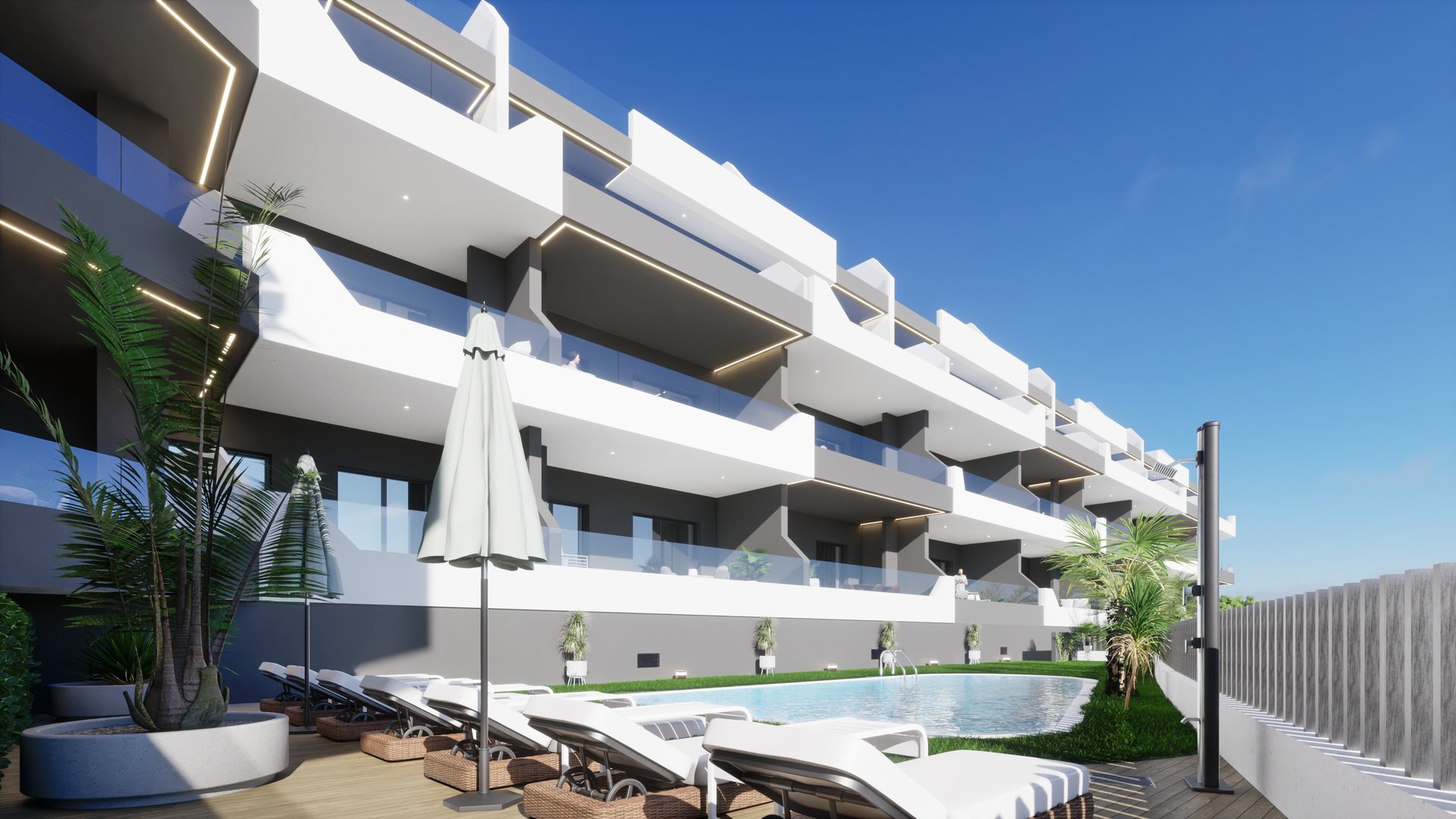
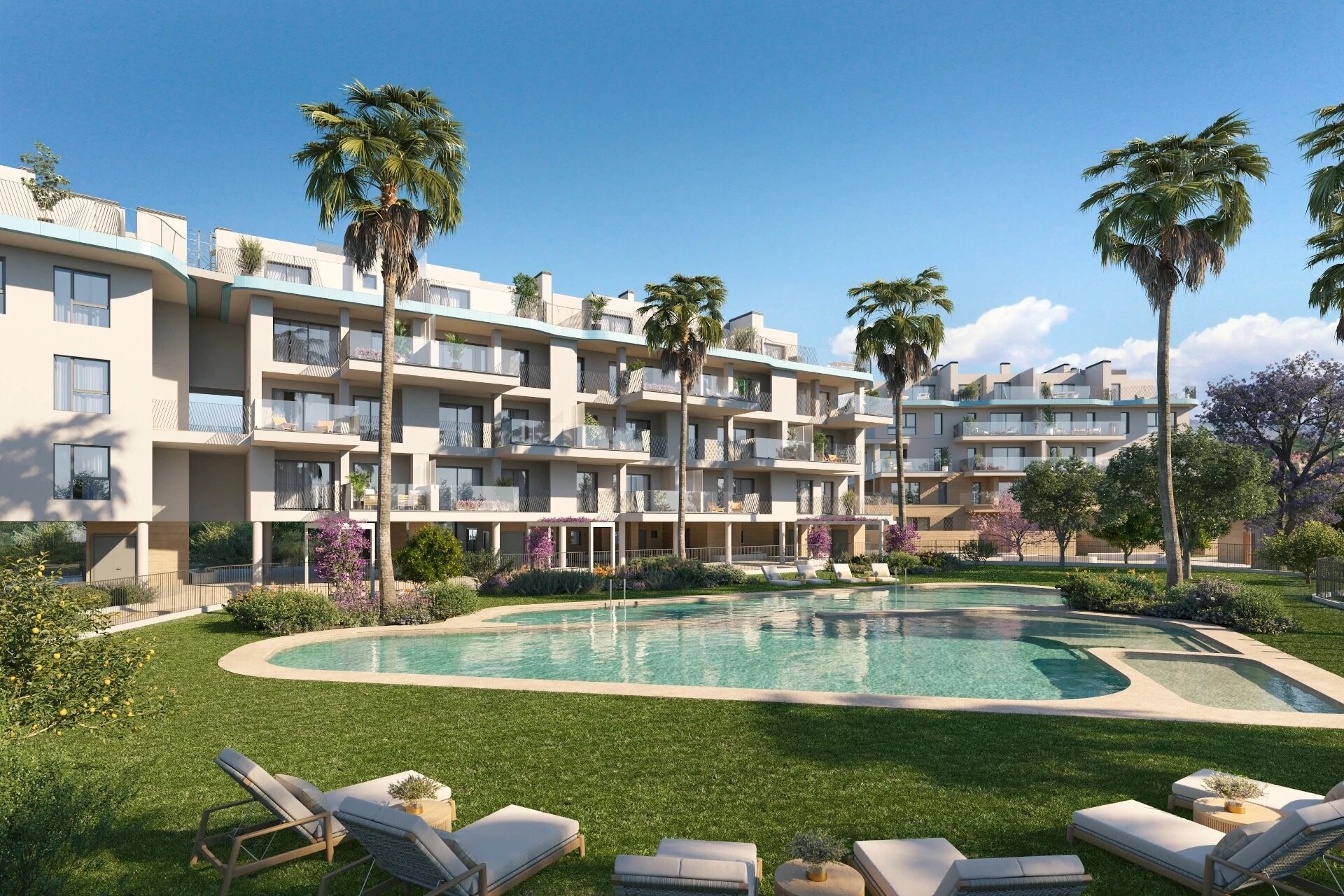
Your Essential Guide to Buying Property in Costa Blanca
Buying property in Costa Blanca is straightforward if you plan your budget and hire an independent bilingual lawyer. For the best results, follow Spain’s standard steps.
Properties in Costa Blanca
Browse all1-Bedroom Apartment in La Siesta - El Salado - Torreta, Torrevieja
2-Bedroom Apartment in La Veleta, Torrevieja
2-Bedroom Apartment in La Veleta, Torrevieja
2-Bedroom Apartment in Centro, Torrevieja
2-Bedroom Apartment in Sucina, Sucina
3-Bedroom Apartment in Las Filipinas, Orihuela Costa
NIE number: what it is and when you need it
Please get your NIE (tax number, often called the NIE number), agree an offer, sign a Contrato de Arras (deposit contract), and complete the deed (escritura) at a notary.
Budget beyond the price for taxes (ITP or IVA), notary/registry, and legal fees. Many buyers focus on Torrevieja, Orihuela Costa, Jávea, Dénia, Calpe, Altea, Moraira, and—next door in Murcia—the Mar Menor towns. Confirm current tax rates with your lawyer before you commit.
Why choose property in Costa Blanca, Spain for a home or investment?
Spain buying: Costa Blanca gives you long beach seasons, a large international community, and varied homes for sale — from sea-view apartments to luxury villas with pools. The coast lists 59 Blue Flag beaches and over 200 km of shoreline (source: spainhomes.com). Many guides cite ~300 days of sun and average highs near 29°C in July–August (source: youroverseashome.com).
- Climate and health. Warm, dry summers and mild winters suit daily activity. WHO highlights the health value of regular outdoor exercise and clean environments (source: who.int).
- Access and cities. Alicante offers museums, San Juan beach, a major marina, AVE rail to Madrid, and Alicante–Elche Airport (ALC). Elche, Benidorm, Villajoyosa, and Altea add festivals and markets.
- International appeal. PropertyGuides tracks Spain’s tourism strength, and local sources cite roughly 18% of foreign buyers favouring the Costa Blanca for climate and lifestyle (source: premium-villas-costa-blanca.com).
Which location: Northern vs Southern Costa Blanca?
Northern Costa Blanca is greener and hillier, with coves and headlands. Southern Costa Blanca is flatter, with long sandy beaches and salt lagoons. Local property portals highlight this contrast in market commentary. You also see it in pricing by beach zones vs cove‑lined coasts — Costa Blanca offers varied micro‑areas. Northern hotspots include Dénia, Jávea, Calpe, Altea, Moraira, Benissa, and the Orba/Jalón valleys. Southern hubs include Alicante, Santa Pola, Guardamar del Segura, Torrevieja, Orihuela Costa, and Pilar de la Horadada.
Where to Buy: Northern vs Southern Costa Blanca
- North: greener, hillier, with coves and headlands; towns like Dénia, Jávea, Calpe, Altea, Moraira. Reported averages in popular northern towns range roughly €1,900–€2,310/m² (source: propertyguides.com).
- South: flatter, long sandy beaches, golf and large services; hubs include Alicante, Santa Pola, Guardamar, Torrevieja, Orihuela Costa, Pilar de la Horadada. Two‑bed apartments from around €100,000 are cited in Torrevieja, and modern builds near Alicante/Orihuela Costa from ~€180,000 (source: alicante-realestate.com).
- Fit to your plan: choose access to marinas and coves vs golf and long beaches, and compare micro‑areas on the ground before deciding.
Costa Blanca benefits at a glance
- Mediterranean climate and beaches. 59 Blue Flag beaches and over 200 km of coastline. Many guides cite ~300 days of sun and average highs near 29°C in July–August (sources: spainhomes.com; youroverseashome.com).
- Access and infrastructure. Alicante–Elche Airport (ALC), AVE high‑speed rail to Madrid, and coastal roads (AP‑7, N‑332) support frequent travel.
- Year‑round services. Public/private healthcare, international schools, and active expat communities make long stays practical.
- Property choice. From seafront apartments to villas and fincas, the local property market serves a wide range of budgets and lifestyles.
What defines Northern Costa Blanca areas?
The north mixes marinas, coves, and mountain views. PropertyGuides reports average prices around €1,900/m² in Dénia, €2,050/m² in Calpe, and €2,310/m² in Moraira (source: propertyguides.com). Some property portals cite €150,000 for some two‑bed apartments in Dénia, subject to property age and position.
- Dénia. A working port and marina with ferry links, Montgó Natural Park, and a foodie scene. Flats inland of the port tend to cost less than beach or Les Rotes areas.
- Jávea (Xàbia). Three centres—Arenal beach, Port, and Old Town—offer different moods. Coves like Granadella and Portitxol appeal to swimmers and paddlers.
- Calpe and Altea. Calpe’s Peñón de Ifach and fish restaurants pull year‑round visitors; average prices around €2,050/m² are reported (source: propertyguides.com). Altea’s Old Town and seafront promenades suit evening walks.
- Moraira & Teulada. Low‑rise planning, small beaches, and villa zones like El Portet appeal to second‑home buyers; reported averages in the €2,310/m² band (source: propertyguides.com).
- Benissa & Orba/Jalón valleys. Townhouses in Benissa Pueblo, and fincas (traditional rural homes) in the valleys, trade sea views for space, terraces, and citrus groves.
What defines Southern Costa Blanca areas?
The south offers long sandy beaches, golf resorts, and strong services for international residents. Some property portals cite two‑bed apartments from around €100,000 in Torrevieja. Newer apartments around Alicante, Gran Alacant, and Orihuela Costa start near €180,000 per third‑party portals.
- Alicante city, San Juan & El Campello. Urban beaches, tram links, and city services. San Juan Playa draws families for its wide sands.
- Santa Pola & Guardamar del Segura. Dunes, pine forests, and promenades, with Alicante airport access. Guardamar’s dunes and La Mata natural park are key draws.
- Torrevieja & La Mata. Seafront promenades, marinas, and the pink/green salt lakes. Wide choice of apartments and townhouses across La Mata, Acequión, and Los Locos.
- Orihuela Costa: Playa Flamenca, La Zenia, Cabo Roig, Campoamor. Beach zones and golf at Villamartín, Las Ramblas, and Real Club de Golf Campoamor. Weekly markets and shopping centres support winter stays.
- Villamartín, Los Dolses, Punta Prima, Los Balcones. Residential urbanisations with pools and services.
- Pinar de Campoverde & Pilar de la Horadada. Family‑oriented areas near beaches such as Mil Palmeras and Torre de la Horadada.
- Algorfa & Ciudad Quesada (Rojales). La Finca Golf and established expat neighbourhoods; villas and bungalows with private plots.
Should you also consider the adjoining Costa Cálida?
If you want warm, shallow waters and wide promenades, add the Mar Menor and Mazarrón coast in Murcia.
Towns like San Pedro del Pinatar, San Javier, Los Alcázares, La Manga, Torre‑Pacheco, Cartagena, Puerto de Mazarrón, Bolnuevo, Isla Plana, Águilas, and Camposol — established estate markets on this coast; a local agent helps you compare licences, beaches, and services. They offer beach, golf, and year‑round services, and are Favorites for many buyers. It’s a practical location within the same two‑province home ground.
Costa Blanca property types, pricing and market trends
- Apartments and townhouses dominate the coast; villas and fincas are common in suburban and rural belts.
- Reported pricing examples: around €100,000 for some two‑bed resales in Torrevieja. From ~€180,000 for modern apartments in south Alicante/Orihuela Costa (source: youroverseashome.com).
- Northern price bands commonly cited: roughly €1,900–€2,310/m² across Dénia–Moraira (source: propertyguides.com).
- Market notes: availability and pricing vary by micro‑area, orientation, building age, and community features; verify current stock with local agents and your lawyer.
Best Costa Blanca property types, pricing and trends — in one place
You’ll find apartments, townhouses, villas, fincas, and new‑builds. Entry‑level resale apartments in Torrevieja are often quoted around €100,000. Modern apartments in south Alicante areas near the Mediterranean start near €180,000 per third‑party portals. See our Privacy Policy for how we handle enquiries.
Costa Blanca property price bands at a glance
For the north, PropertyGuides reports average bands of €1,900–€2,310/m² in Dénia–Moraira (source: propertyguides.com).
What property buyers compare in the Blanca region
In the Blanca region, property buyers find this useful when comparing Costa Blanca property for sale and planning for property tax on houses. In our own asking‑price data across 64 towns, most Costa Blanca towns sit between €1,251 and €3,628/m² (data to 2026-07-01).
- Apartments (1–3 bedrooms). E.g., beach blocks in Torrevieja, Punta Prima, San Juan, Calpe. Compare terrace size, parking, lift access, and community standards.
- Townhouses/bungalows. Common in Orihuela Costa (Los Dolses, Playa Flamenca), Guardamar, and Altea Hills slopes.
- Villas. From compact plots in Villamartín or Quesada to sea‑view villas in Moraira, Altea, or Benissa.
- Fincas. Rural properties around Jalón, Orba, and inland Vega Baja villages.
- New build vs resale. New builds carry IVA (VAT) and stamp duty; resales pay ITP transfer tax. Off‑plan (buying before construction) requires a bank guarantee for staged payments.
What drives property value on the Costa Blanca
Sunny Casas data point: in our Spain property Costa Blanca portfolio, we currently have 5 active Costa Blanca listings priced €699,000–€1,490,000 across distinct property options.
How to buy property on the Costa Blanca
If you’re searching to buy property in Costa Blanca, note their average size is around 434 m², and track affordable property prices as you shortlist. Understanding this context can help frame villa searches. Representative villas include 543 m² (8 bed), 500 m² (7 bed), and 545 m² (6 bed), each listed at €1,490,000. These are asking prices, not sold prices.
Note: Some portals report entry Spanish property in Costa Blanca from €120,000. Use this as a reference point if you are pricing affordable property by property type and tracking property prices. Always verify current stock and pricing by area.
Our Costa Blanca/Cálida valuation model puts build cost at €1,350–€1,600/m² of built area, depending on property type. On costs, the Blanca remains a construction‑cost story; this is a construction cost, never a selling price or an asking price.
Our asking price per m² in San Pedro del Pinatar: ~€2,919/m² — the median across the 51 of our 51 active listings there that carry both a price and a size. This is our own live stock, measured today; no competitor or SEO tool has this number.
Reference median for the area: ~€2,119/m² — a THIRD-PARTY asking-price figure, dated 2026-07-01, NOT our data. Prefer our own number above; if you use this one, present it as a wider market reference and never as ours.
By property type (same third-party reference): house ~€2,225/m², villa ~€2,543/m², studio ~€2,289/m², apartment ~€2,119/m², penthouse ~€2,543/m², townhouse ~€2,225/m² — useful when shortlisting your perfect property by type.
| Type | Typical locations | Strengths | Considerations |
|---|---|---|---|
| Apartment | Torrevieja, Orihuela Costa, San Juan, Calpe | Low maintenance, walk-to-beach | Community rules/fees, terrace orientation |
| Townhouse | Playa Flamenca, La Zenia, Altea Hills | More space, rooftop solariums | Shared walls, parking type varies |
| Villa | Moraira, Benissa, Quesada, Villamartín | Private pool, privacy | Higher running costs, garden care |
| Finca | Jalón, Orba, Pego | Land, views, rustic feel | Rural utilities, car‑dependent |
| New build | Pilar de la Horadada, Guardamar, Villamartín | Energy efficiency, warranties | IVA + AJD taxes, delivery timelines |
What is the step-by-step buying process and which documents matter?
The Spanish process is clear: verify the property, sign a reservation, exchange a private contract with deposit, then complete at the notary under Spanish law — a buying guide in brief. You need an NIE (Número de Identificación de Extranjero) for a purchase; it is your Spanish tax ID. A local, bilingual lawyer should manage due diligence and contracts.
For a deeper walk‑through of the Spanish steps and rules, read our Costa Blanca & Cálida buying steps guide. If you’re looking for a house buying Spain guide, start here.
How to buy in Costa Blanca and Costa Cálida (summary “HowTo”)
Set your budget and finance plan.
Include taxes, fees, currency costs, and a buffer for works. If you need a mortgage, speak to Spanish banks early.
Get your NIE.
Apply in Spain (National Police office) or at a Spanish consulate abroad. Your lawyer can arrange a power of attorney if you cannot attend.
Open a Spanish bank account.
Most notaries require banker’s drafts for completion. Banks will also set up direct debits for utilities and community fees.
View and shortlist.
Focus on area first, then home. We’ll line up Torrevieja–Orihuela Costa routes one day, and Jávea–Moraira the next to compare lifestyles.
Reservation.
Agree price and terms. Sign a short reservation and pay a small holding fee while your lawyer checks the nota simple (land‑registry extract).
Contrato de Arras (private purchase contract).
This commits both sides and usually includes a deposit around 10% of the price (source: tutravesia.es). Your lawyer adds penalty clauses for breach.
Mortgage (if needed).
Bank valuation, approval, and a binding offer follow. Timelines vary; only fix a completion date once the lender confirms.
Completion.
Sign the escritura pública (notarial deed), pay the balance and taxes, and receive keys.
Registration and utilities.
Your lawyer registers the deed and sets up utilities and IBI (council tax) in your name.
Definitions at a glance
- NIE: the Spanish tax ID foreigners need for property purchase.
- Contrato de Arras: the private contract with deposit and penalties.
- Escritura pública: the notarial deed you sign at completion.
- Off‑plan: buying before construction is finished; stage payments require a bank guarantee.
In our Costa Blanca/Cálida valuation model, a sea view: +4% to +6%.
In the same model, a private pool: +2% to +4%.
What Costa Blanca costs, taxes and financing should you plan for?
Expect costs beyond the price. On resales, Costa Blanca real estate guides cite 10% transfer tax (ITP) in the Valencian Community, including areas such as Finestrat (source: Agencia Tributaria — English pages available). New builds carry 10% VAT (IVA) plus about 1.5% stamp duty (AJD) (source: youroverseashome.com). Always confirm current rates with your lawyer or the regional tax office.
Other purchase costs. Notary, Land Registry, and legal fees apply; guides advise budgeting total acquisition costs above 10% (source: tutravesia.es). Deposits. Contrato de Arras usually around 10% (source: tutravesia.es). Off‑plan payments must be covered by a bank guarantee. Mortgages. Non‑resident loans depend on valuation and affordability.
Ask for a written offer and full fee list. Currency. If you earn in pounds, plan for exchange‑rate risk (source: smartcurrencyexchange.com). Running costs. Utilities, IBI, rubbish, insurance, and community fees for many apartment blocks and urbanisations.
Legal checks and due diligence for your Costa Blanca purchase
A clean land registry, proper licences, and transparent community records prevent most problems.
Blanca real legal checks that protect you
Your lawyer should obtain a nota simple (see Registradores), confirm the seller’s real title, check planning and occupancy licences, and ensure there are no hidden debts or embargoes on the estate, with certified translations in English where needed.
Costa Blanca estate market due diligence
This includes properties for sale in the Costa Blanca in inland towns such as Polop; contact your lawyer early about the estate market specifics.
Key checks your lawyer should run
- Title and charges. Nota simple from the Registro de la Propiedad. Confirm boundaries with the cadastre (Catastro) if needed.
- Planning. Verify urban classification (urbano/rústico), building licences, and for resales, the licencia de primera or segunda ocupación (occupancy certificate).
- Debts. Ask for latest IBI and utility receipts. In communities, confirm no arrears and review minutes (actas), budgets, and the reserve fund.
- Energy Performance Certificate (CEE). Required on sale.
- Coastal and protected zones. Confirm any constraints under the Ley de Costas for beachfront or clifftop plots.
- Off‑plan. Demand a bank guarantee (aval bancario) for staged payments.
Common pitfalls to avoid when buying on the Costa Blanca
- Signing an Arras before your lawyer’s checks.
- Accepting poor translations or verbal promises; insist on bilingual written terms.
- Underestimating community rules, pet policies, short‑let limits, or future assessments.
What is life like: community and amenities across the Costa?
Year‑round living works: public/private healthcare, international schools, sports, and active clubs are in place. Long‑standing British, Irish, Nordic, Dutch, German, and Russian communities live across the coast; a 2025 report cites over 400,000 foreign residents on the Costa Blanca (source: youroverseashome.com).
- Healthcare. Public centres in Alicante, Torrevieja, Orihuela, Guardamar; private hospitals such as Quirónsalud Torrevieja and IMED Elche. Visitors use EHIC/GHIC for necessary state care; residents obtain an SIP card.
- Education. King’s College Alicante, Elian’s (La Nucía), Lady Elizabeth (Benitachell), plus local colegios and Alicante University.
- Sport and outdoors. Golf at Villamartín, Las Ramblas, Campoamor, Las Colinas, La Finca, La Marquesa; marinas in Dénia, Jávea, Calpe, Altea, Alicante, Torrevieja, Properties for Sale in San Pedro del Pinatar.
- Culture and food. Weekly markets in Torrevieja, Playa Flamenca, Guardamar, Jávea; seafood in Calpe and Santa Pola; tapas in Alicante and Altea. Public figures like Michael Douglas also keep homes on Spain’s coasts.
Investment case and seasonal vs year‑round use in Costa Blanca
Coastal apartments suit holidays and shoulder seasons; villas fit longer winter stays. If you plan to let, confirm tourist‑licence rules and Spanish tax on rental income before you buy.
- Holiday lets vs long‑term. Holiday rentals are seasonal and higher‑wear; long‑term tends to be steadier but needs furnishing and full compliance. Check local vivienda turística rules with your lawyer or town hall.
- Seasonality and demand. Summer peaks (average highs near 29°C) with mild shoulders; some months report under 45 mm rain in parts of the Costa Blanca (source: youroverseashome.com). Reported averages of €1,900–€2,310/m² in Dénia–Moraira and strong UK/Nordic interest support demand (sources: propertyguides.com; premium-villas-costa-blanca.com). Air links from ALC/RMU help.
- Align with your plan. Choose self‑use, mixed, or long‑term before you search. We do not offer rental‑management services; we can introduce independent providers, and your lawyer will advise on licences and taxes.
Browse resale properties on the Costa Blanca
Explore resale and golf properties here: /en/properties/resale Browse villas by area and style: /en/properties/villas
Costa Blanca: median €2,781/m² across the 64 towns we list in, with most towns between €1,251 and €3,628/m², data to 2026-07-01.
Getting there, settling in, contact and local support across the Costa
Two airports serve the region: Alicante–Elche (ALC) and Región de Murcia (RMU). AP‑7 and N‑332 run the coast, and Alicante has AVE high‑speed rail to Madrid. After completion, register on the municipal padrón (empadronamiento), set up utilities, and arrange your SIP health card if eligible.
- Airports and access. ALC covers Alicante, Benidorm, Dénia, Jávea, Calpe, Altea, Torrevieja; RMU covers Mar Menor towns, Cartagena, Mazarrón. Buses and the TRAM link Alicante, San Juan, El Campello, Benidorm.
- Admin and moving. NIE, bank account, insurance, IBI and waste fees, community fee direct debits. Use insured movers and record meter readings on handover.
- Local help. We’re based in Torrevieja and cover the full Costa Blanca and adjoining Costa Cálida. Guide to buying apartments in the Costa Blanca: /en/guides/guide-to-buying-apartments-in-costa-blanca
Costa Blanca & Cálida steps and rules: /en/guides/how-to-buy-property-in-spain-guide Area breakdowns and micro‑areas like Los Altos — buying guide: /en/guides/the--guide-to-buying-property-on-costa-blanca
See Also
- Guide to Buying Rustic Property on Costa Blanca & Cálida
- Buying Property in Northern Spain: Costa Blanca Guide
- Taxes When Buying Property in Spain: ITP 8–10%, VAT 10%
- A sea view
- 4% to 6%
- A private pool
- 2% to 4%